Article: The Beginner's Guide to Slow Living
The Beginner's Guide to Slow Living
Slow living is one of those phrases that sounds immediately appealing yet slightly elusive. It conjures images of unhurried mornings, homemade meals, and long walks without a destination — a life that feels considered and calm rather than relentlessly busy. But for most of us, the reality looks a little different. We have jobs, obligations, and phones that never stop asking for our attention, and slowing down can feel less like a lifestyle choice and more like a luxury we can't quite afford, or a daydream we don’t have time for.
The good news is that slow living isn't really about having more time. It's about being more intentional with the time you have.
What slow living actually means
At its core, slow living is about choosing quality over quantity, presence over productivity, and intention over habit. It doesn't mean doing everything slowly — it means doing things deliberately. Choosing what deserves your attention. Saying no to what doesn't align with what matters most to you. Creating space in your day for the things that actually restore you.
It's less a set of rules and more a way of paying attention.
Why it matters right now
We are living through a period of unprecedented speed and stimulation. The average person checks their phone dozens of times a day. We consume more information in a single day than a person in the 15th century would encounter in a lifetime. We are connected to everything and everyone, all the time, and the result — for many of us — is a persistent low-grade exhaustion that no amount of sleep quite fixes.
Rather than a rejection of modern life, slow living is more of a gentle recalibration — a decision to be more selective about where our energy goes and to be more present in the moments we're in.
How to start
Slow living doesn’t require a complete overhaul — a move to the countryside, a capsule wardrobe, a sourdough starter. It really doesn't. Slow living can begin with one small, intentional choice at a time.
Here are a few places to start:
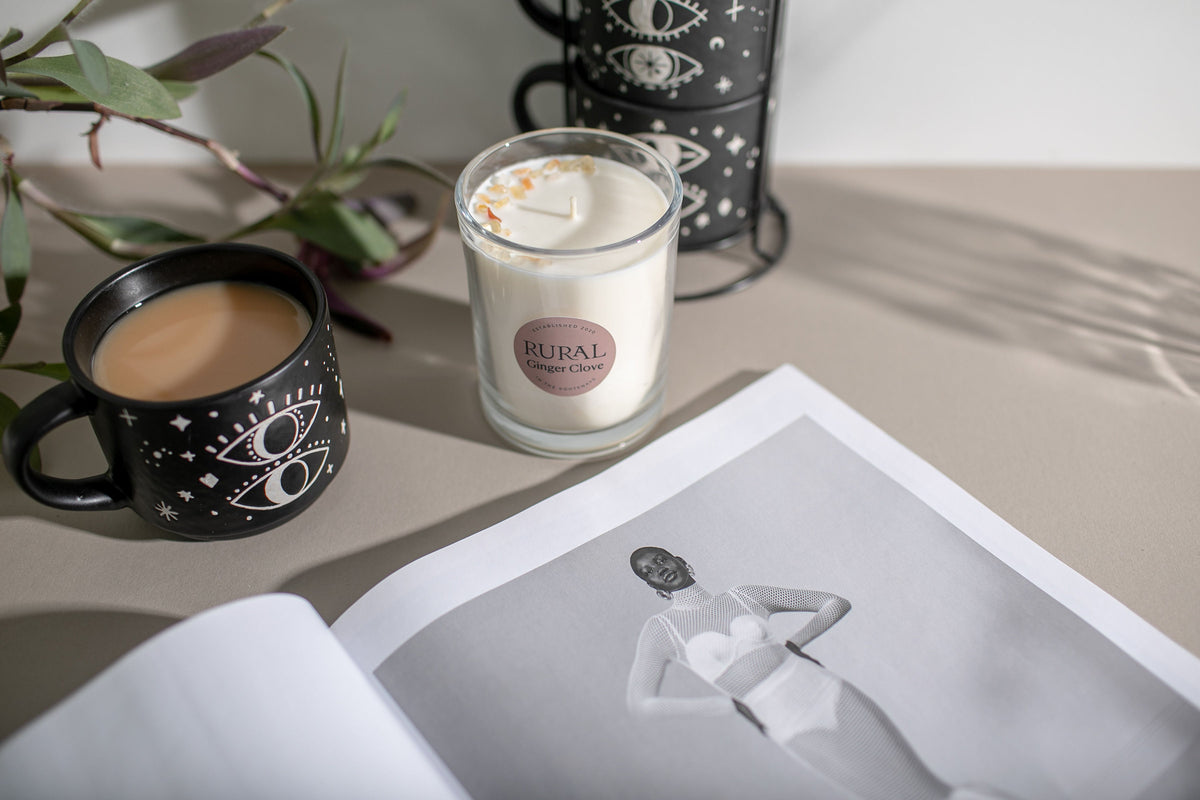
Create a morning ritual. Before you reach for your phone, give yourself ten minutes of silence that belong only to you. A cup of tea. A fresh page in your journal. A few minutes sitting quietly by a window. It doesn't matter what it is — what matters is that it's intentionally centred in you, your thoughts, your heart.
Eat one meal a day without a screen. Just one. Sit at a table, taste your food, and be present for the twenty minutes it takes to eat. It sounds almost absurdly simple, and it is.
Spend time outside without a purpose. Not exercise, not errands — just being outside. A short walk with no destination. Sitting in a garden. Standing on a balcony and looking at the sky for a few moments. The natural world has a way of recalibrating our nervous system that nothing else quite replicates.
Choose things that slow you down. A physical book instead of a screen. A handwritten note instead of a text. A candle instead of an overhead light. These small substitutions aren't about rejecting technology — they're about creating pockets of sensory experience that bring you back into your physical, sensing body.
Where a candle comes in
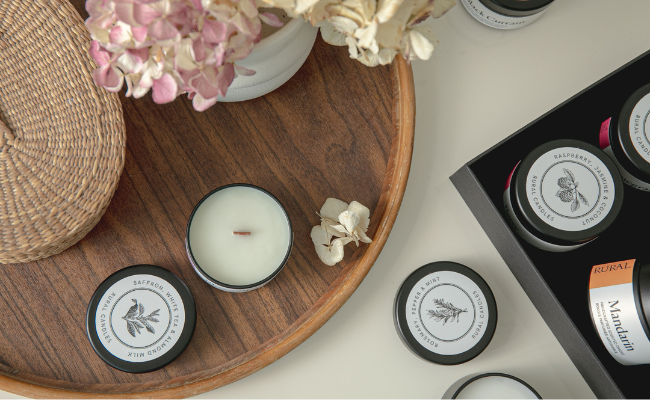
There's a reason candles appear in almost every slow living space, every hygge guide, every meditation practice. A candle does something very simple and very powerful — it changes the quality of light in a room, which changes the quality of attention in the room.
Overhead lighting is functional. It's designed for productivity — for seeing clearly, for getting things done. Candlelight is different. It's warm and flickering and slightly imprecise, and something about it signals to the nervous system that this is a different kind of time. Slower time. Time for being rather than doing.
Lighting a candle is also a ritual — a small, deliberate act that marks the beginning of something. A transition from the busy part of the day to the quieter part. A signal to yourself that you're choosing, for this hour at least, to slow down.
It won't solve everything. But it's a start — and slow living, like most worthwhile things, begins with exactly that.